introduction
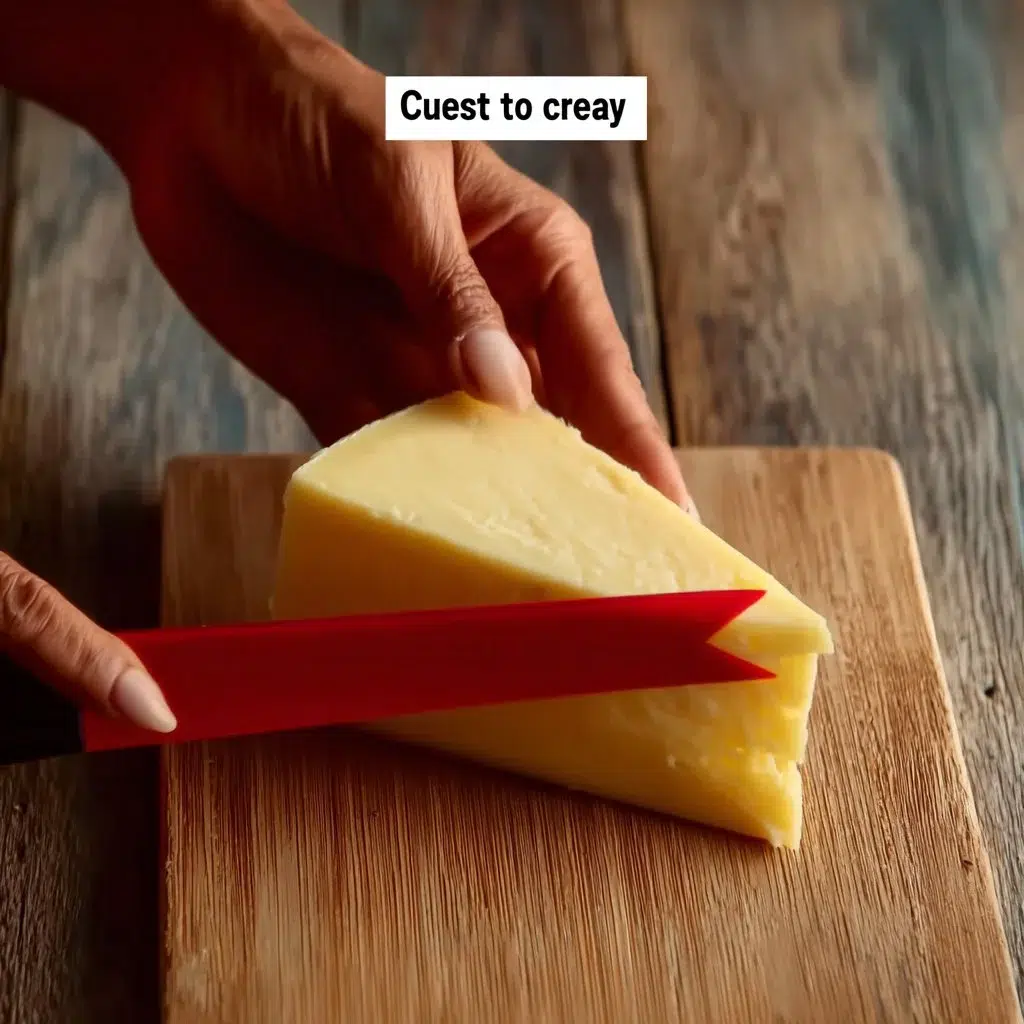
Since I was very young, cooking has always held a special place in my life. My name is Adam, and it was alongside my mother that I discovered the magic of flavors and homemade dishes. One delightful aspect of preparing meals is learning how to enhance their presentation and taste. Today, we’ll delve into the art of cutting cheese. You may wonder why learning how to cut cheese is important. The truth is, the way you cut cheese can impact its texture and flavor, ultimately enhancing your dining experience.
In this article, I will guide you through the various techniques for cutting cheese, including the best practices for different cheese types. You’ll learn which tools to use and when to serve specific cheeses. Whether you’re preparing for a party or just want to enjoy some cheese at home, mastering this skill will elevate your cheese game.
For more recipes, follow me on Facebook and Pinterest.
Table of Contents
Table of Contents
why make this recipe
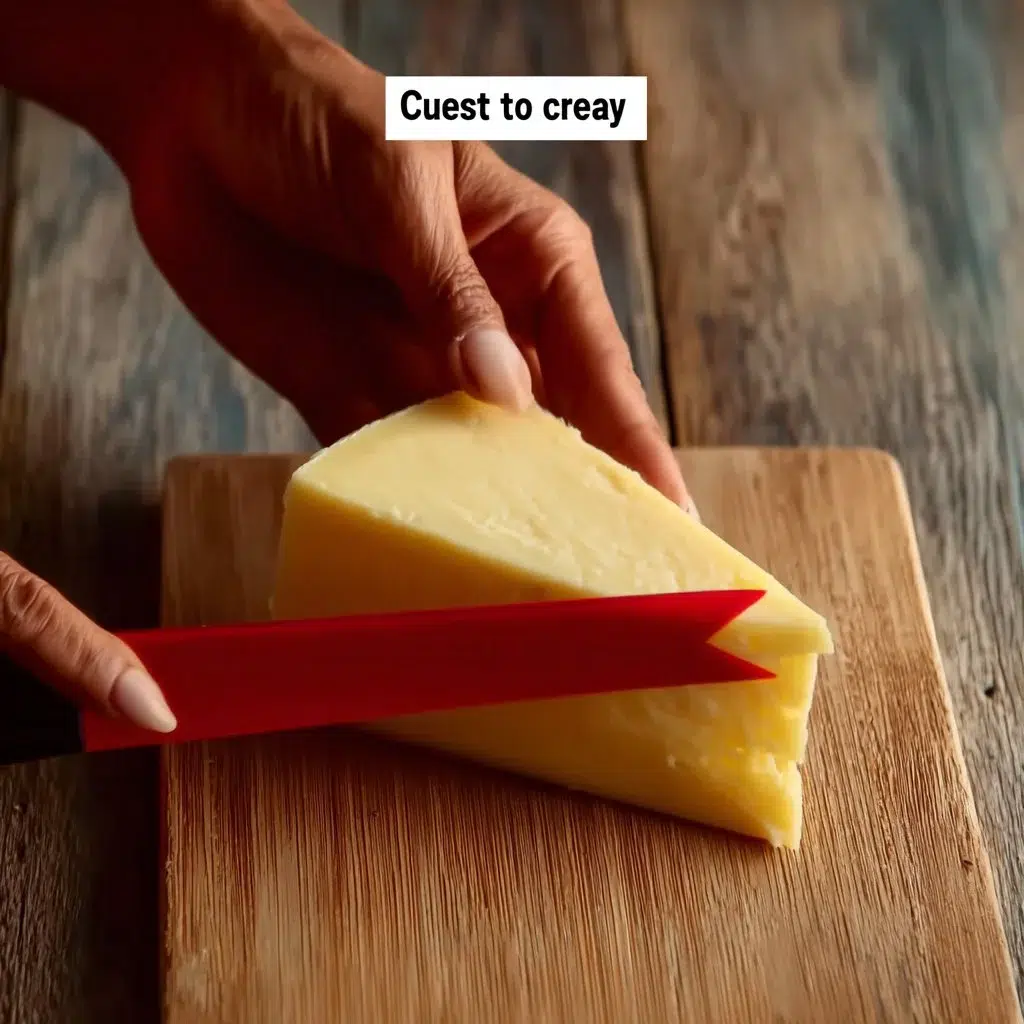
Understanding how to cut cheese provides numerous benefits. First, it enhances both the taste and presentation. Different cheeses require different cutting techniques to showcase their flavors. Proper cuts can release aromas and enhance the overall experience with the cheese.
Moreover, cutting cheese can be straightforward. With a few techniques, anyone can master it easily. Most cheeses are versatile, making them suitable for various occasions—from casual snack sessions to elaborate charcuterie boards.
People often search for this skill because they want to impress guests or simply elevate their everyday meals. A well-cut cheese can be a conversation starter at gatherings and a delightful addition to any dining experience. Whether you are hosting a party or enjoying a quiet evening at home, knowing how to cut cheese can transform a simple snack into a gourmet delight.
how to cut cheese
Cutting cheese involves more than just slicing. It requires understanding the type of cheese you’re working with and applying the correct cutting method. Let’s explore some of the techniques for various cheese types.
Hard Cheeses: For cheeses like Parmigiano-Reggiano or Gruyere, use a cheese knife or a heavy, sharp knife. Hard cheeses can be a bit crumbly, so applying gentle pressure when cutting is essential. Start at one end and cut off small shards or blocks. Avoid sawing back and forth, as it will disrupt the texture.
Semi-Hard Cheeses: Cheeses like Cheddar and Gouda benefit from a straight-edge knife or a cheese wire. You can cut these into thin slices or small cubes, depending on your preference. Aim for uniform pieces to create a visually appealing platter.
Soft Cheeses: For Brie or Camembert, use a soft-cheese knife, which has a wider blade and is often perforated. This design minimizes sticking. Cut the cheese in wedges, starting from the center. This allows everyone to have an equal share and keeps the cheese intact.
Fresh Cheeses: The best way to slice fresh cheese like mozzarella is with a straight knife. A quick, clean cut will ensure you’re not squeezing out excess moisture.
Common mistakes include using the wrong knife for the cheese type or applying too much pressure, which can distort the pieces. Always serve the cheese at room temperature to maximize its flavor.
Ingredients
The only ingredient necessary for this recipe is cheese, but the type of cheese you choose matters greatly. Cheese comes in an array of textures and flavors, from creamy Brie to sharp Cheddar. Consider the quality; artisanal or locally sourced cheeses often provide superior flavor compared to mass-produced options.
You can also swap cheeses based on your preference or availability. For instance, if you’re out of Gouda, substitute it with Gruyere for a similar texture. The key is to focus on freshness and quality, as it directly affects the taste of your cheese platter.
Directions
Before cutting cheese, allow it to rest at room temperature for about 30 minutes. This time allows flavors to develop and aromas to enhance. Remember to clean your cutting tools properly before use to avoid cross-contamination.
When you’re ready, position the cheese on a clean cutting board. Using the cutting techniques outlined earlier, start with harder cheeses and work your way to softer ones. Pay attention to the texture, and cut according to how you’ll serve it.
For the best results, make sure to clean your knife between cuts, especially when transitioning from one type of cheese to another. This practice ensures that flavors do not mix unexpectedly.

how to serve cheese
Serving cheese is an art in itself. You can create an enticing cheese platter that showcases colors, textures, and flavors. Pair cheese with complementary items like crackers, nuts, fruits, and cured meats.
For hard cheeses, small cubes or shards work well, while soft cheeses are best served in wedges. A mix of savory and sweet items provides balance.
Consider the occasion as well. For a casual gathering, simple cheese cubes might suffice. For a celebration, present a lavish spread on a wooden board, garnished with seasonal fruits or herbs. This visually pleasing approach adds flair to your meal.
how to store cheese
Proper storage is essential to maintain the freshness of your cheese. Store it in the refrigerator, wrapped in parchment paper or cheese paper. This method allows the cheese to breathe while preventing moisture loss.
For long-term storage, some cheeses can be frozen, especially harder varieties. However, freezing can change their texture, so always check the cheese type before doing so.
When reheating or serving leftover cheese, allow it to return to room temperature. This step helps rejuvenate flavors, making them more enjoyable.
tips to make cheese cutting easier
Getting better at cutting cheese can be straightforward with a few advanced tips. First, invest in a good cheese knife tailored to your favorite cheese types. A versatile cheese board with a variety of knives will make a difference.
Additionally, practice makes perfect. The more you cut cheese, the more comfortable you will become with techniques and timing.
Finally, be patient. Allow cheeses to sit and warm slightly before cutting. This little adjustment can make a big difference in flavor and texture.
variation
There are endless ways to vary your cheese selection and cutting styles. Consider creating themed cheese platters, such as a Mediterranean cheese board featuring feta, olives, and pita.
Another delightful variation involves pairing cheeses with dips or spreads, like honey, jams, or flavored oils. This pairing brings another layer of flavor and can enhance the overall experience.
You might also explore cheese tasting. Cut small, uniform pieces to allow guests to sample various types. This encourages conversation and makes your gathering interactive.
FAQs
How do I cut cheddar cheese?
To cut cheddar cheese, use a sharp knife or cheese wire. Cut it into small cubes or thin slices depending on your dish.
What knife is best for cutting cheese?
A good cheese knife varies by cheese type. For hard cheeses, a heavy knife works well, while soft cheeses benefit from a soft-cheese knife that minimizes sticking.
Can I cut cheese ahead of time?
Yes, you can cut cheese ahead of time. Just ensure you store it properly in the refrigerator to maintain freshness until serving.
Conclusion
Learning how to cut cheese is a valuable skill that enhances both taste and presentation. With a few simple techniques and the right tools, anyone can elevate their cheese-serving game. Make sure to explore different types of cheese for various occasions. Remember, the joy of cheese lies not only in tasting but also in sharing it with others.
For more in-depth knowledge about cheese cutting techniques, consider exploring this guide on How To Cut Cheese Like A Pro. Also, for specific cheese etiquette, you might find this article on cutting French cheese very helpful. For a broader understanding, check out this resource on cutting different types of cheese.

How to Cut Cheese: Master the Art of Preparing Cheese
- Total Time: 30 minutes
- Yield: Varies based on cheese selection
- Diet: Vegetarian
Description
Learn the essential techniques and tips for cutting cheese to enhance its flavor and presentation.
Ingredients
- Assorted cheeses (e.g., Brie, Cheddar, Gruyere)
Instructions
- Allow cheese to rest at room temperature for about 30 minutes.
- Prepare a clean cutting board and cutting tools.
- Start with hard cheeses first, cutting them into small shards or blocks.
- Use a straight-edge knife for semi-hard cheeses and cut into uniform slices or cubes.
- For soft cheeses, use a soft-cheese knife to cut wedges from the center.
- Use a straight knife for fresh cheeses to avoid excess moisture.
- Clean your knife between different cheese cuts to maintain flavor integrity.
Notes
Serve cheese at room temperature for the best flavor. Pair with crackers, fruits, and nuts.
- Prep Time: 30 minutes
- Cook Time: 0 minutes
- Category: Appetizer
- Method: Cutting
- Cuisine: French