
introduction
Since I was very young, cooking has always held a special place in my life. My name is Adam, and I discovered the magic of flavors and homemade dishes while cooking alongside my mother. Charcuterie boards have become increasingly popular as a way to express creativity while enjoying delicious bites. In 2026, the buzz around these beautiful spreads continues to grow, making the Pin by Heather Luby on Charcuterie an exciting choice for food lovers.
This recipe showcases a range of textures and flavors that come together to please any crowd. Whether you’re hosting a party or enjoying a quiet evening with friends, this appetizer will shine on your table. In this article, we will explore the ins and outs of making a stunning charcuterie display. You will learn why this recipe is a must-try, how to create it step by step, and even tips for storing leftovers to keep things fresh.
For more recipes follow me on Facebook and Pinterest.
Table of Contents
Table of Contents

why make this recipe
Creating a charcuterie board is not only enjoyable, but it also brings numerous benefits. First and foremost, the taste is simply delightful. Each bite offers a balance of flavors that tantalizes the palate. The combination of savory meats, creamy cheeses, and various accompaniments provides something for everyone.
Another reason to make this recipe is its ease. Unlike many traditional dishes, a charcuterie board requires minimal cooking. The ingredients can be arranged artistically on a board, allowing you to showcase your creativity. This versatility makes it suitable for many occasions, from casual gatherings to festive celebrations.
Our recipe allows for flexibility regarding ingredients. You can swap out items based on what you have available or personal preferences. Moreover, a charcuterie board can serve as both an appetizer or a centerpiece, adding elegance to any meal. Many people search for engaging appetizer recipes, and this charcuterie board is an ideal choice.
You can follow a simple process to avoid common pain points, such as overcrowding or mismatched flavors. Preparation is key, and with our guidance, you will create a charcuterie board that impresses your guests.
how to make charcuterie
Making a charcuterie board may seem simple, but attention to detail is crucial. Start by selecting a variety of ingredients. Aim for a mix of meats, cheeses, fruits, nuts, and spreads. Consider textures and flavors as you choose these components.
When assembling your board, begin with the larger items, such as cheeses. Cut cheeses into wedges or cubes for easy access. Place these on the board first to define the layout. Next, add your meats. Roll or fold slices elegantly and arrange them next to the cheeses. Try using a combination of cured meats, such as salami, prosciutto, or pepperoni, to provide variation.
In the next step, fill in smaller items like fruits and nuts. Fresh grapes, dried figs, and sliced apples add color and sweetness. Nuts, such as almonds and walnuts, provide a satisfying crunch.
Finally, add some spreads. Olive tapenade, honey, or balsamic glaze can elevate your charcuterie experience. Use small bowls for dips or spreads, ensuring they are easily accessible.
Throughout the creation process, keep an eye on balance. The key is to avoid overcrowding the board; allow space for guests to serve themselves. Consider colors and shapes to create a visually appealing arrangement. Avoid classic mistakes like offering too many of the same type of cheese or ignoring flavor pairings.
Ingredients
Ingredients play vital roles in crafting your charcuterie board. Meat, cheese, and accompaniments need to complement each other for a successful outcome. When selecting meats, choose a range of flavors and textures. Look for options like smoked, spicy, or savory to cater to various tastes.
Quality matters when it comes to cheese. Aged cheeses offer depth, while fresh cheeses like goat cheese provide a mild contrast. For a successful board, try to include at least one soft cheese, a hard cheese, and something unique, such as blue cheese or a flavored option.
When it comes to fruits, choose in-season varieties for the best flavor. This often includes grapes, berries, or seasonal fruits like figs or pears. Nuts can bring additional texture; consider roasted or seasoned varieties for extra taste.
Don’t forget your spreads. Quality condiments can transform a simple charcuterie experience into something memorable.
Directions
To achieve perfect results with your charcuterie board, follow these best practices. Start by preparing all your ingredients ahead of time. Wash and cut fruits, slice the cheeses, and organize your meats. This makes assembly easier and more efficient.
When setting up your board, use a large cutting board or serving platter to give you enough space. Begin with the larger components, arranging them thoughtfully. After placing the main attractions, fill in gaps with nuts, fruits, and spreads.
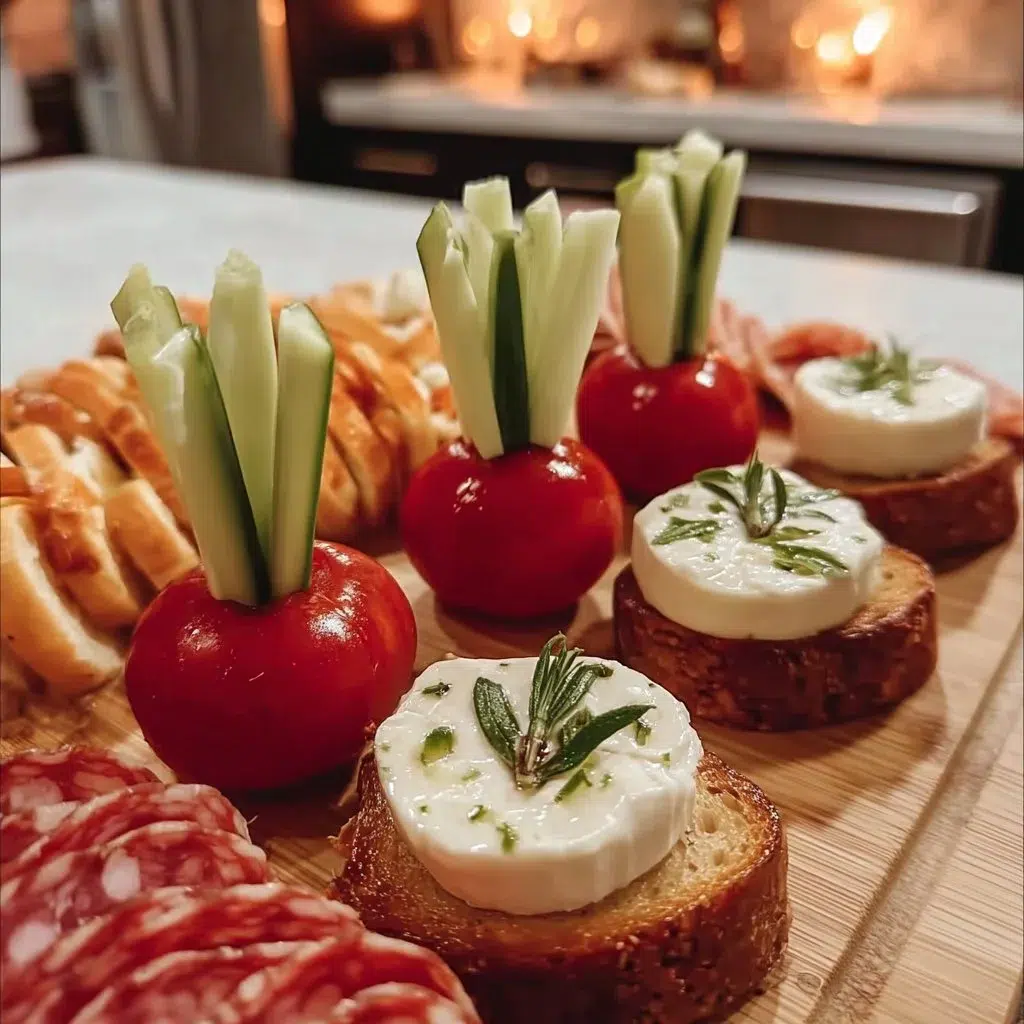
Remember, presentation counts! Use height to create visual interest. You can stack meats, layer cheeses, and vary the heights of bowls. This enhances the overall aesthetic of the board and makes it more enticing.
how to serve charcuterie
Serving your charcuterie board can be as delightful as creating it. Choose a platter that allows for ample space for guests to graze. Consider using different levels by stacking platters, or incorporating wooden boards next to marble for texture contrasts.
Pair your board with a selection of drinks. A glass of wine often elevates the experience. White wines or light reds complement various charcuterie flavors beautifully. Cocktails can also enhance the occasion.
For the best balance, accompany your board with complementary sides. Consider serving fresh baguette slices or crispy crackers to add crunch. Additionally, you can offer pickles or olives for some tang.
Thoughtfully arranged boards create a friendly atmosphere, encouraging sharing and conversation.
how to store charcuterie
If you find yourself with leftovers, proper storage is essential to maintaining quality. Begin by removing all perishable items from the board. Wrap cheeses in parchment or plastic wrap to preserve their freshness. Meats can be stored in airtight containers to prevent them from drying out.
Fruits should preferably be consumed on the same day. However, if you need to store them, place them in a container with a paper towel to absorb excess moisture.
For longer-term storage, you can freeze certain components, such as meats. Cheese can also be frozen but may change in texture. Always check guidelines on specific types before freezing.
To reheat, avoid microwaving meats or cheese, as this can alter their quality. Instead, allow items to come to room temperature for the best taste.
tips to make charcuterie
To elevate your charcuterie board even further, consider these advanced yet simple tips. Experiment with flavors by choosing artisanal cheeses or local charcuterie options. Specialty shops often carry unique flavor profiles that can surprise your guests.
Herbs and garnishes can add an extra touch. Consider rosemary sprigs or edible flowers to enhance aesthetics. Using these small details showcases thoughtfulness in presentation.
Moreover, tailor your board based on the season or occasion. You can use holiday-themed colors or ingredients to reflect festive moods. Adjust the size based on your gathering, ensuring you have enough variety to please your guests while avoiding waste.
variation
You can create multiple variations of the standard charcuterie board to suit various preferences. For a vegan option, use plant-based cheeses, hummus, and a wide array of fruits and veggies. These colorful arrangements still offer that beautiful visual appeal.
Another variation includes a dessert-themed board. Incorporate various chocolates, fruits, and cheese. This sweet twist can complement any celebration perfectly.
For brunch lovers, create a breakfast charcuterie board featuring pastries, fruits, yogurt, and breakfast meats. The options are limited only by your imagination!

FAQs
What is a charcuterie board?
A charcuterie board is a beautifully arranged platter of cured meats, cheeses, fruits, nuts, and spreads. It’s designed for sharing and provides a variety of flavors and textures.
How do I choose ingredients for a charcuterie board?
Select a mix of proteins, cheeses, fruits, and condiments. Balance flavors and textures, ensuring there is something to satisfy all guests. Aim for colorful ingredients that look appealing together.
Can I make a charcuterie board in advance?
Yes! You can prepare many items ahead of time. Assemble the board fully but avoid adding fresh fruits until just before serving for the best flavor and presentation.
Conclusion
The Pin by Heather Luby on Charcuterie in 2026 offers an excellent way to dive into the art of appetizer creation. It’s easy to tailor to any occasion, allowing your creativity to shine. By following the outlined steps and tips, you will impress your friends and family with a stunning charcuterie display.
If you want personalized experiences, you can explore a variety of options like best fun restaurants for kids in Houston and learn more about food from different regions by checking out the best spots for lunch in Sarlat-la-Caneda. Also, don’t forget to enrich your culinary vocabulary by reviewing resources like vocab resources from CMU.
By integrating these elements, your charcuterie board is sure to impress. Happy assembling!
Print
Pin by Heather Luby on Charcuterie
- Total Time: 20 minutes
- Yield: 4 servings
- Diet: Omnivore
Description
A stunning charcuterie board recipe featuring a delightful mix of meats, cheeses, and accompaniments to impress guests at any gathering.
Ingredients
- Assorted cured meats (salami, prosciutto, pepperoni)
- Various cheeses (soft cheese, hard cheese, blue cheese)
- Fresh fruits (grapes, figs, apples)
- Nuts (almonds, walnuts)
- Spreads (olive tapenade, honey, balsamic glaze)
- Fresh baguette slices or crispy crackers
- Pickles or olives
Instructions
- Select a variety of ingredients including meats, cheeses, fruits, nuts, and spreads.
- <strong.Begin with larger items, such as cheeses, cut into wedges or cubes.
- <strong.Add your meats by rolling or folding slices elegantly.
- <strong.Fill in smaller items like fruits and nuts for color and texture.
- <strong.Finish with sauces and dips in small bowls for easy access.
- <strong.Arrange the items on a large platter, ensuring visually appealing layout.
- <strong.Present with complementing sides and beverages for an enhanced experience.
Notes
Ensure proper presentation and balance of flavors. Consider seasonal ingredients and a variety of textures.
- Prep Time: 20 minutes
- Cook Time: 0 minutes
- Category: Appetizer
- Method: Assembling
- Cuisine: French